An Annual National Event on Circularity and Sustainability to Foster Dialogue and Innovation for a Low Carbon Future
INTRODuction
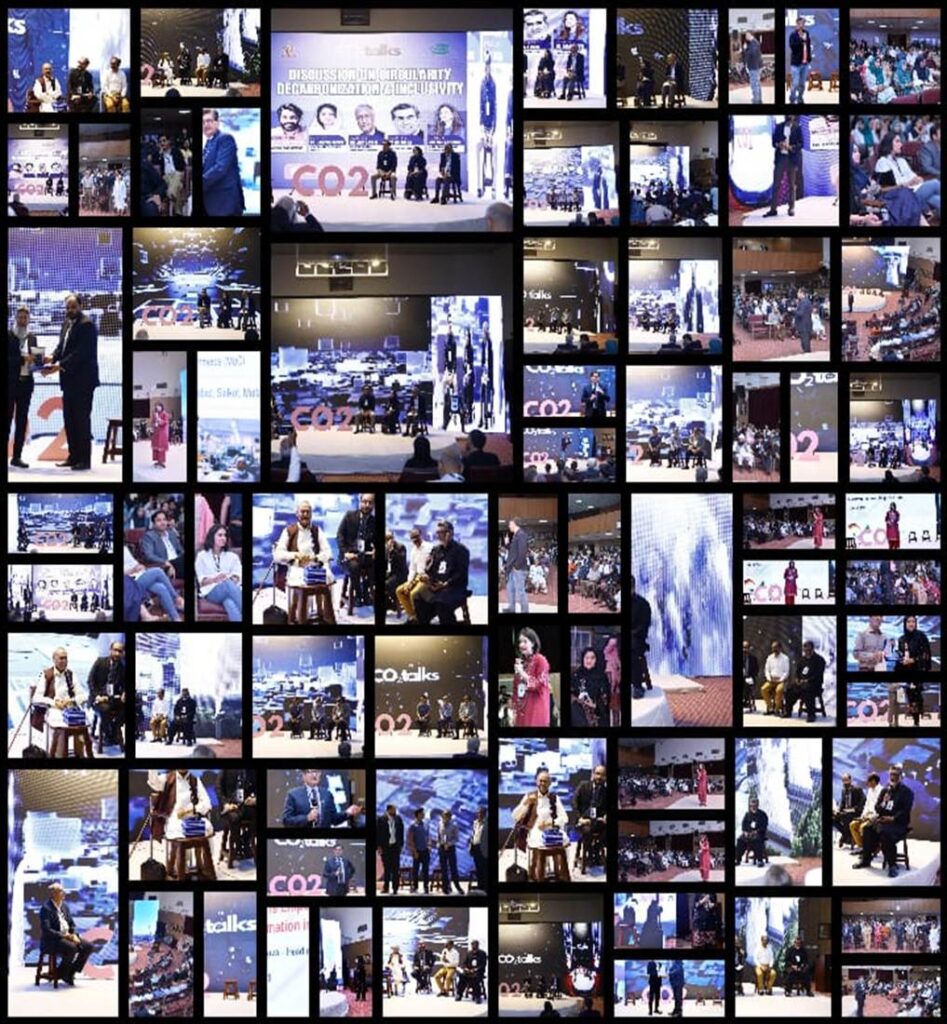
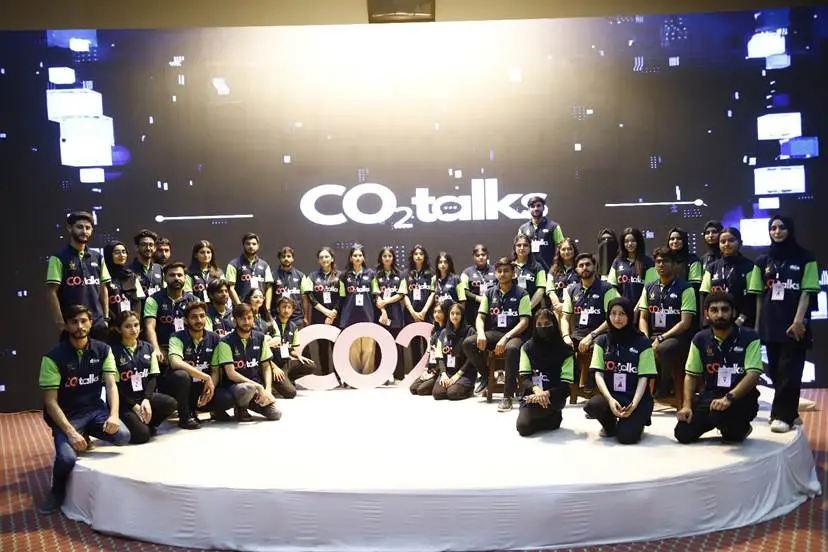
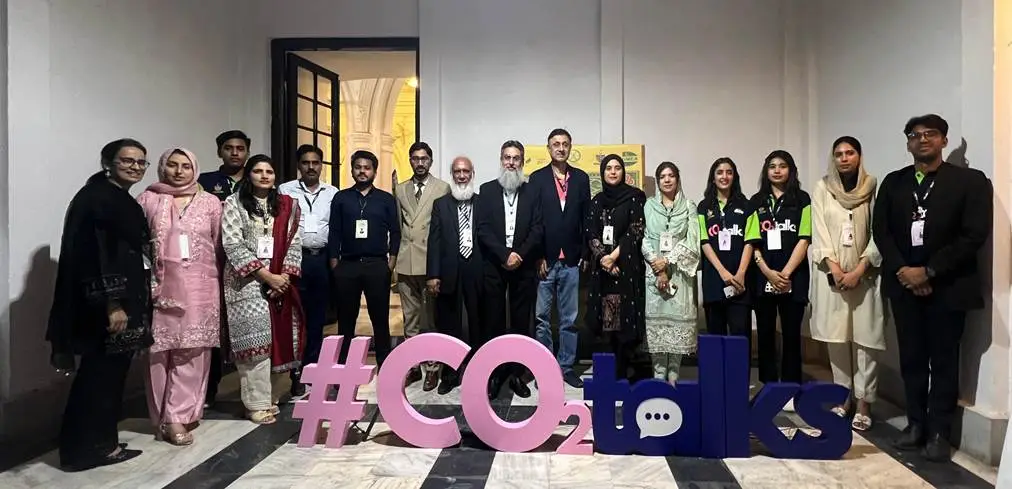
On April 22, 2025, Government College University (GCU) Lahore became the epicenter of national climate discourse as it hosted one day conference, “CO2 Talks”. Organized in collaboration with the Pakistan Readymade Garments Manufacturers and Exporters Association (PRGMEA), Deutsche Gesellschaft für Internationale Zusammenarbeit (GIZ), and the National Compliance Centre (NCC), Ministry of Commerce, the event convened a diverse group of stakeholders from academia, industry, and policy to foster meaningful exchange and collaboration. With the support from leading apparel and sustainability-focused organizations, the conference underscored a united commitment to addressing Pakistan’s climate challenges.
CO₂ Talks was designed as a multilingual program comprising of scientific and technical presentations, panel discussions, stakeholder consultation along with display of history, culture, music, and dramatic performance to engage and influence a diverse range of stakeholders. Bringing together academia, industry CEOs, sustainability advocates and compliance experts, CO2 Talks served as a vital platform for knowledge exchange, expert dialogue and networking. From in-depth discussions on sustainability, compliance and circularity, the event captured the urgency, complexity, and opportunities shaping Pakistan’s climate future.
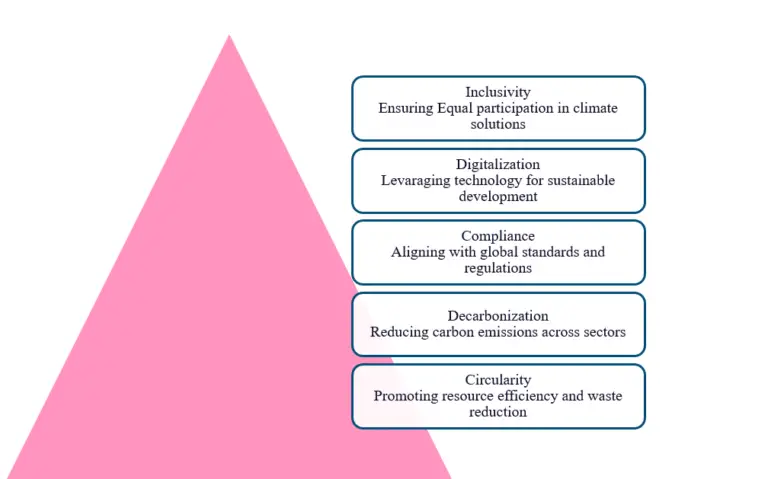
CO2 Talk Focused on Five Pillars
The conference aimed to embed sustainability at the heart of Pakistan’s development agenda, aligning closely with the country’s Nationally Determined Contributions (NDCs) under the Paris Agreement and the United Nations Sustainable Development Goals (SDGs). Built around five foundational pillars: circularity, decarbonization, compliance, digitalization, and inclusivity the dialogue sought to catalyze transformative action through scientific collaboration, cross-sector accountability, and innovative policy approaches.
Opening Remarks by Dr. Ayyaz ud Din
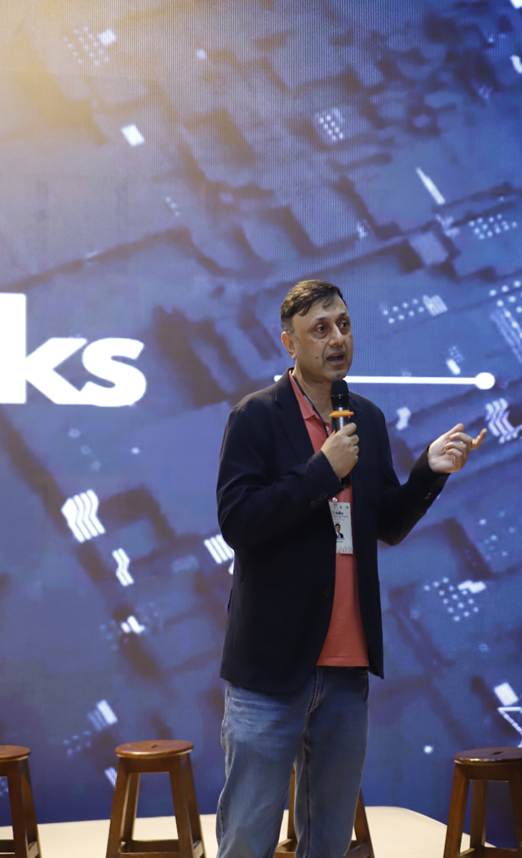
Dr. Ayyaz ud Din, Chairman of PRGMEA, opened the conference by emphasizing the urgent need for decarbonization. He highlighted that CO2 Talks is not just an event, but a movement designed to inspire dialogue, foster collaboration, and drive alignment and motivation for climate action. Describing the initiative as inspirational, educational, and purpose-driven, he outlined its three core objectives and emphasized five key focus areas: decarbonization, circular economy, compliance, digitalization, and inclusivity.
He used a powerful illustration to emphasize the importance of compliance — just as both motorbike riders must wear helmets for safety, compliance should be universal, extending beyond exporters and manufacturers to include retailers and everyday citizens alike.
Welcome Address by Prof. Dr. Muhammad Omer Chaudhry
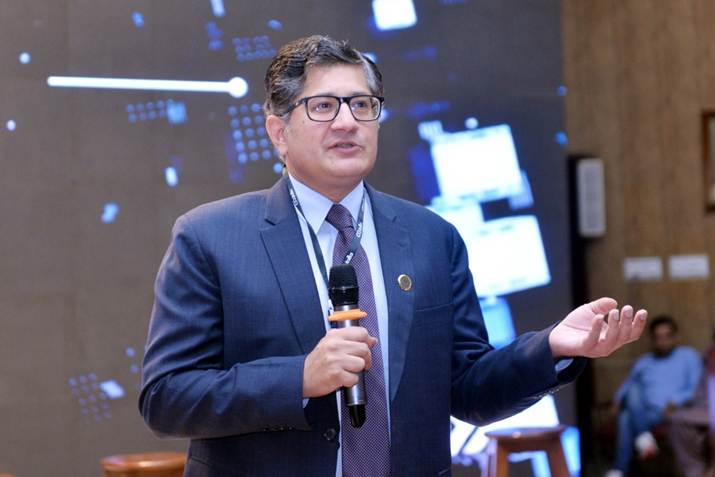
Prof. Dr. Muhammad Omer Chaudhry, Vice Chancellor, Government College University (GCU) Lahore, emphasized the urgency of climate action and highlighted the essential role academic institutions must play in fostering climate resilient societies. He called on students, researchers, and professionals to become active participants in the global climate movement by embracing innovation, raising awareness, and adopting responsible practices. Prof. Chaudhry address reflected his long-standing commitment to research, excellence, and sustainability. He stressed that universities are not only centers of knowledge but also agents of change that must lead by example in addressing climate challenges.
His remarks inspired attendees and reinforced GCU’s leadership role in promoting environmental responsibility, policy dialogue and collaborative action for a sustainable future in Pakistan.
Presentation by Prof. Dr. Faiza Sharif
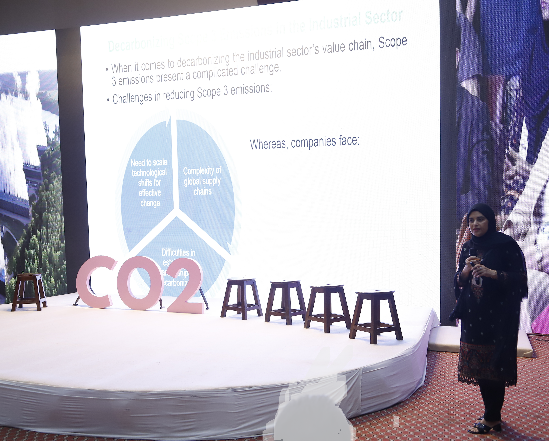
Prof. Dr. Faiza Sharif, Director Sustainable Development Center (SDSC) and Office of Research Innovation & Commercialization (ORIC) at Government College University Lahore, delivered a thought-provoking talk on the need for industrial transformation to meet net-zero emission targets. She highlighted that upcoming compliance requirements from the EU and US are becoming increasingly stringent, shifting carbon neutrality from voluntary to mandatory export requirement. Among the most effective and market-attractive carbon removal strategies are nature-based solutions—particularly afforestation—due to their cost-effectiveness and associated environmental co-benefits in the form of provision of ecosystem services.
Drawing on SDG 17 (Partnerships for the Goals), she highlighted the crucial role of industry-academia linkages in bridging the knowledge and data gaps, and preparing the youth for future sustainability leadership.
Remarks by Yulia Bazhenova
Yulia Bazhenova, Head of Project Textiles at GIZ, delivered an insightful talk emphasizing the importance of strategic collaboration between Germany and Pakistan to promote sustainability and circularity, particularly in the textile and garment industry. She focused on the EU Green Deal and GSP+ Trade Scheme, explaining their potential impact on Pakistan’s industrial and legal landscape. Bazhenova shared findings from an ongoing policy gap analysis, outlining the short, mid, and long-term implications for Pakistani exporters. In the short term (up to 5 years), companies will face higher production costs and will be required to track carbon footprints and use sustainable materials. Mid-term requirements include compliance with traceability regulations, digital product passports, and adherence to human rights and environmental due diligence. In the long-term, companies unable to meet these standards may lose access to the EU markets.
She stressed the importance of building capacity for small and medium enterprises (SMEs) to help them in complying with these regulatory changes. Her talk reinforced the urgency of preparing Pakistan’s textile industry for a more sustainable, compliant, and globally competitive future.
Keynote Talks
Quality Assurance through Testing and Compliance in Pakistan
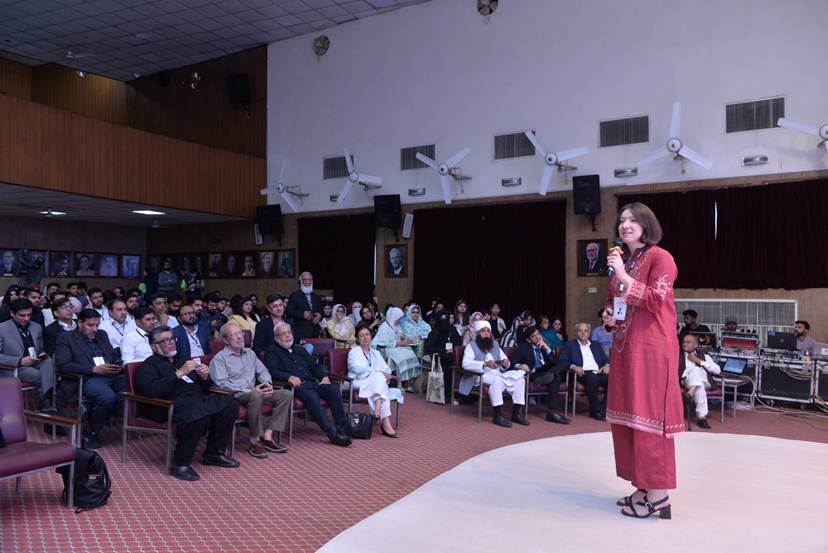
Hameed K. Latif, CEO Textile Testing International (TTI), highlighting the urgent issue of open burning, described it as one of the most dangerous and overlooked environmental threat in Pakistan. He illustrated how common this practice is visible in parks, markets, and streets where a mixture of plastic, paper, and organic waste is regularly burnt, releasing harmful pollutants into the air. He emphasized that building baseline data is essential for ensuring compliance and highlighted the existing capacity gap in testing environmental parameters. He proudly mentioned the establishment of Pakistan’s first Sustainability Center and the launch of a mobile environmental monitoring laboratory, which has now been approved by the Environmental Protection Agency (EPA). His address reinforced the critical need for environmental accountability and proactive testing solutions to address climate challenges.
Pakistan’s Carbon Market Framework: Advancing Article 6 Implementation
Dr. Zulfiqar Younis, Additional Secretary for Climate Finance at the Ministry of Climate Change, delivered a comprehensive overview of Pakistan’s emerging carbon market framework, aligning it with Article 6 of the Paris Agreement. He emphasized the country’s growing commitment to market-based climate solutions and highlighted that Pakistan has received international recognition for its preparedness in establishing a robust carbon trading system. His address underscored the importance of developing a transparent, accountable, and scalable carbon market to drive low-carbon growth and attract global climate finance.
Strengthening Pakistan’s Competitiveness through Compliance and Sustainability
Dr. Nabeel Amin, Head of the National Compliance Centre (NCC), delivered a comprehensive talk on the Centers’ mission to make Pakistan a compliant and sustainable country. Dr. Amin highlighted the formation of sector specific action groups that focus on targeted compliance efforts tailored for different industries. He also stressed the importance of academic integration to support research, innovation, and capacity-building in sustainability practices. Dr. Amin is driving initiatives that align Pakistan with global best practices, enhancing the country’s competitiveness while promoting environmentally responsible and sustainable industrial development.
Decarbonization and Sustainability: A Road Map for Textiles
Sobia Becker, Advisor for Pak-German Climate and Energy Program (PGCEP) at GIZ, presented key findings from a report on decarbonization in the apparel sector, emphasizing the importance of transitioning towards low-carbon industrial practices. She highlighted Germany’s 380 million Euro climate partnership with Pakistan, which supports 26 grant-based projects aligned with the Paris Agreement and the Sustainable Development Goals (SDGs). Her talk reinforced the value of international cooperation and targeted investment in driving sustainable transformation across Pakistan’s textile and apparel industry.
From Waste Reduction to Global Standards: A Roadmap for Textile Sustainability
Shoaib Deewan, entrepreneur and founder of TexStyle Corp, delivered an insightful talk on sustainable product design. As Chair of the Sustainable Material Committee and member of Central Executive Committee of All Pakistan Textile Mills Association (APTMA), he stressed the importance of designing garments for durability, minimizing post-industrial waste, and reducing environmental impact through carbon, water, and chemical savings. He highlighted Pakistan’s potential as a low-carbon manufacturing hub and a major second-hand clothing importer, urging the industry to align product development with global compliance and sustainability standards.
From Waste to Value: Circularity and Recycling in Focus
Muzamal Bajwa, representing the Satiana Recycling Association, highlighted the critical role that recyclers play as the true face of sustainability within Pakistan’s textile and manufacturing sectors. He emphasized that recycling clusters in the region are among the largest in the world, yet they often lack sufficient recognition and support from the compliance frameworks and textile industries. He called for greater collaboration between these sectors to strengthen the recycling ecosystem. He also stressed that involving students and academic institutions in learning recycling processes, would help raise awareness and cultivate a culture of environmental responsibility. By fostering such engagement, he believes that the industry can develop more inclusive, effective, and sustainable solutions to waste management and resource conservation.
Water Conservation: Sustaining Life for the Future
Hammad Naqi Khan, Director General of WWF Pakistan, delivered an insightful talk on water conservation and the critical interconnections between biodiversity and climate change. With over 30 years of environmental advocacy experience and leadership at WWF since 2014, he highlighted the importance of integrated approaches to protect natural resources. His expertise in climate change and sustainable development informed his call for stronger global partnership and enhanced efforts to preserve ecosystems while addressing climate challenges.
Driving Sustainability through Energy Efficient Fans
Aman Ali Khan, Manager Sales at GFC, delivered insightful talk on the development and adoption of energy-efficient fans as a practical solution to reduce carbon footprints. He highlighted how these fans not only lower energy consumption but also contribute to overall environmental sustainability by minimizing greenhouse gas emissions. Aman emphasized the importance of integrating such energy-saving technologies in both industrial and residential settings to support Pakistan’s climate goals. His talk underscored the significant role that innovations in energy efficiency can play in advancing sustainable industrial practices and reducing the country’s overall environmental impact.
Maili Maili Dhoop: Panel Discussion on Sunlight Harvesting
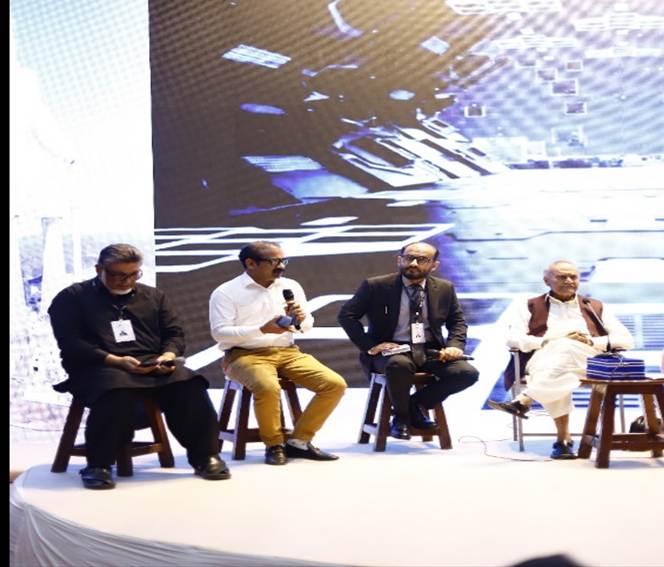
The panelists for discussion on solar energy innovations for Pakistan’s energy mix included:
1. Asad Bajwa- (Moderator) CEO South Asian Sourcing Pvt. Ltd. 2. Dr. Khalid Waleed- Head of Energy and Climate (SDPI) 3. Anwar Masood- Pakistani Poet 4. Mr. Sajid Saleem Minhas- CEO Delta Garments Ltd. 5. Dr. Zaheer Ahmed Watto – Assistant Professor (Dept of Punjabi, GCUL)
|
Asad Bajwa (CEO, South Asian Sourcing Pvt Ltd) moderated a panel discussion that explored sunlight harvesting and environmental responsibility in Punjabi language. Renowned poet Anwar Masood reflected on the cultural and environmental damage caused by pollution, urging a return to nature through his poetry. Khalid Waleed (SDPI) emphasized shifting to solar energy and energy conservation, while Sajid Saleem (Delta Garments) called for a unified national policy on resource efficiency. Dr. Zaheer Ahmed Watto (GCU Lahore) provided historical context, tracing the textile industry’s indigenous roots in the Indian sub-continent. The discussion actively engaged students and the other audience in an interactive Q/A session. |
Panel Discussion on Circularity, Decarbonization and Inclusivity
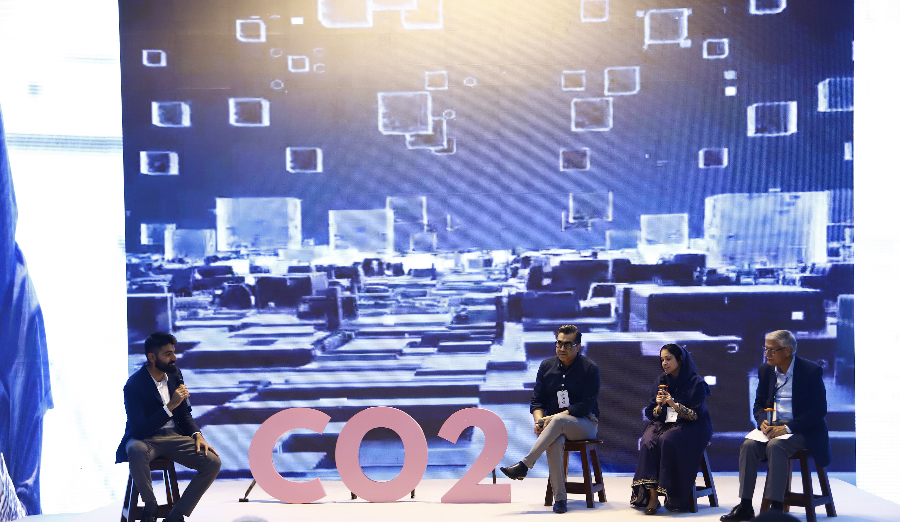
The panelists for a deep dive into circular economy models for Pakistan included:
1. Saifullah Minhas (Moderator)-Director Delta Garments 2. Dr. Arif Bashir Director Technical Operations -DG Cement 3. Yasir Bucha- CEO Buch Hospital 4. Dr. Jaweria- Textile Testing Labs (TTI) 5. Ms. Saba Asghar-Chief Environment and Climate Change P&D
| The second panel discussion, moderated by Saifullah Minhas (Director, Delta Garments), focused on circularity, decarbonization, and inclusivity. Dr. Arif Bashir (DG Cement) stressed the importance of launching biogas and composting projects to reduce environmental impact. Mr. Yasir Bucha (CEO, Buch Hospital) highlighted the urgent need for regulatory compliance, while Dr. Jaweria (Textile Testing International) concluded the session by emphasizing significance of transparency. The panel also underscored the importance of equitable access to digital technologies, particularly in underserved regions, to support sustainable development and innovation. The discussion ended with an interactive Q/A session. |
Panel Discussion on Regulatory Compliance
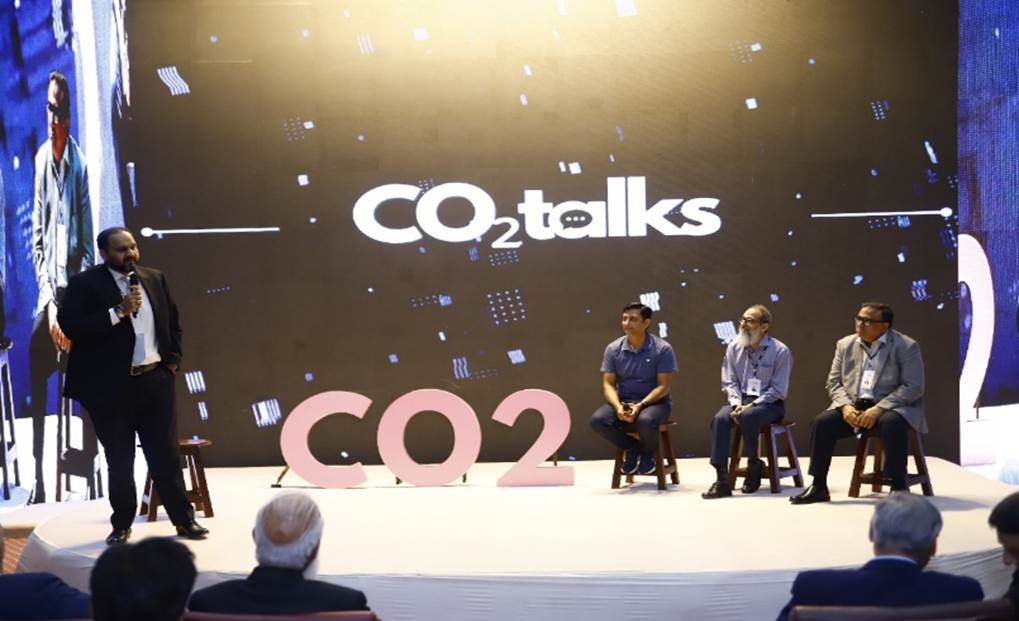
A panel discussion on Regulatory Compliance by:
1. Hassan Shafqat- CEO Pakistan Textile Council (Moderator) 2. Dr. Nabeel Amin (NCC) 3. Dr. Khurram Tariq-CEO Kay&Emm 4. Saqib Shahzad- Head of Sustainability Sapphire, Diamond Fabrics Limited, Pakistan
|
The third panel discussion, moderated by Hassan Shafqat (CEO, Pakistan Textile Council), focused on regulatory compliance across the industrial sector. Dr. Nabeel Amin (NCC) emphasized the urgent need for legislation on hazardous chemicals, highlighting that compliance is essential for all sectors. Dr. Khurram Tariq (CEO, Kay and Emm) showcased the proactive steps taken by tier 1 and tier 2 suppliers to meet standards. Saqib Shahzad (Sapphire-Diamond Fabrics Limited) stressed that collaboration with government bodies is key to achieving sustainable industrial growth. At the end the students actively participated in Q/A session.
|
Consultation Session – Experts' Roundtable
The Consultative Session – Experts’ Roundtable served as a collaborative platform to generate practical and innovative climate solutions. Bringing together sustainability experts from industry, academia, government bodies, and non-governmental organizations, the session fostered dynamic discussion, exchange of best practices, and identification of actionable strategies. The diverse perspectives enabled the development of integrated approaches to address pressing environmental challenges while aligning with national and global sustainability goals.
As part of this session, sustainability data from participating industries was gathered through a focused research initiative. The key element of this initiative was the use of a comprehensive compliance evaluation questionnaire, designed to quantitatively assess sustainability practices. The questionnaire evaluated legal conformity, adoption of recognized standards (e.g., ISO 9001:2000, CT-PAT, HSE), workplace safety measures, emissions reduction efforts, and alignment with the Science Based Targets initiative (SBTi). This evidence-based approach provided a benchmark of current practices, identified gaps, and guided companies toward measurable improvements in environmental performance.
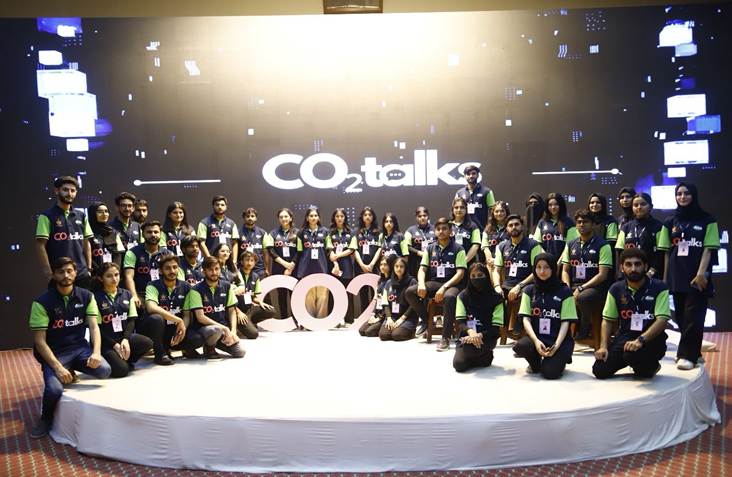
Libas ka Safar: A Theatrical Performance
The day concluded with a powerful and emotionally resonant theatrical performance (Libas ka Safar) by the students of GCU Dramatics Club and Nazir Ahmed Music Society. The play was directed by Dr. Arooj Ehsan, Incharge GCU Women Development Centre. The performance creatively depicted the journey of clothing from its cultural roots to modern environmental impacts highlighting the social and ecological consequences of fast fashion and industrial negligence. It served as a poignant reminder of the conference’s core themes: sustainability, responsibility, and climate awareness.